Coins /Morgan Dollars / Key Dates
Morgan key dates & rarities
Ten issues decide every serious Morgan set. This page gives each one what a tiny grid can't: the mintage, the survival story, how rarity moves with grade, and how afraid of fakes you should be.
Mintage ≠ rarity
Memorize this before shopping. Between striking and survival stand four filters — the Pittman furnaces (arbitrary, enormous), circulation (the West wore its dollars slick), Treasury vault storage (which preserved some dates by the sealed thousand-coin bag), and the release events (which decided whichpreserved dates became common). Modern availability is what's left after all four, and it differs by grade. Three coins prove it:
1885-CC
228,000 minted
GSA bags survived — easier to buy uncirculated than worn.
1892-S
1,200,000 minted
Nearly all circulated — cheap in VF, five figures in mint state.
1903-O
4,450,000 minted
The 'great rarity' until sealed bags emptied in 1962.
The ten, in full
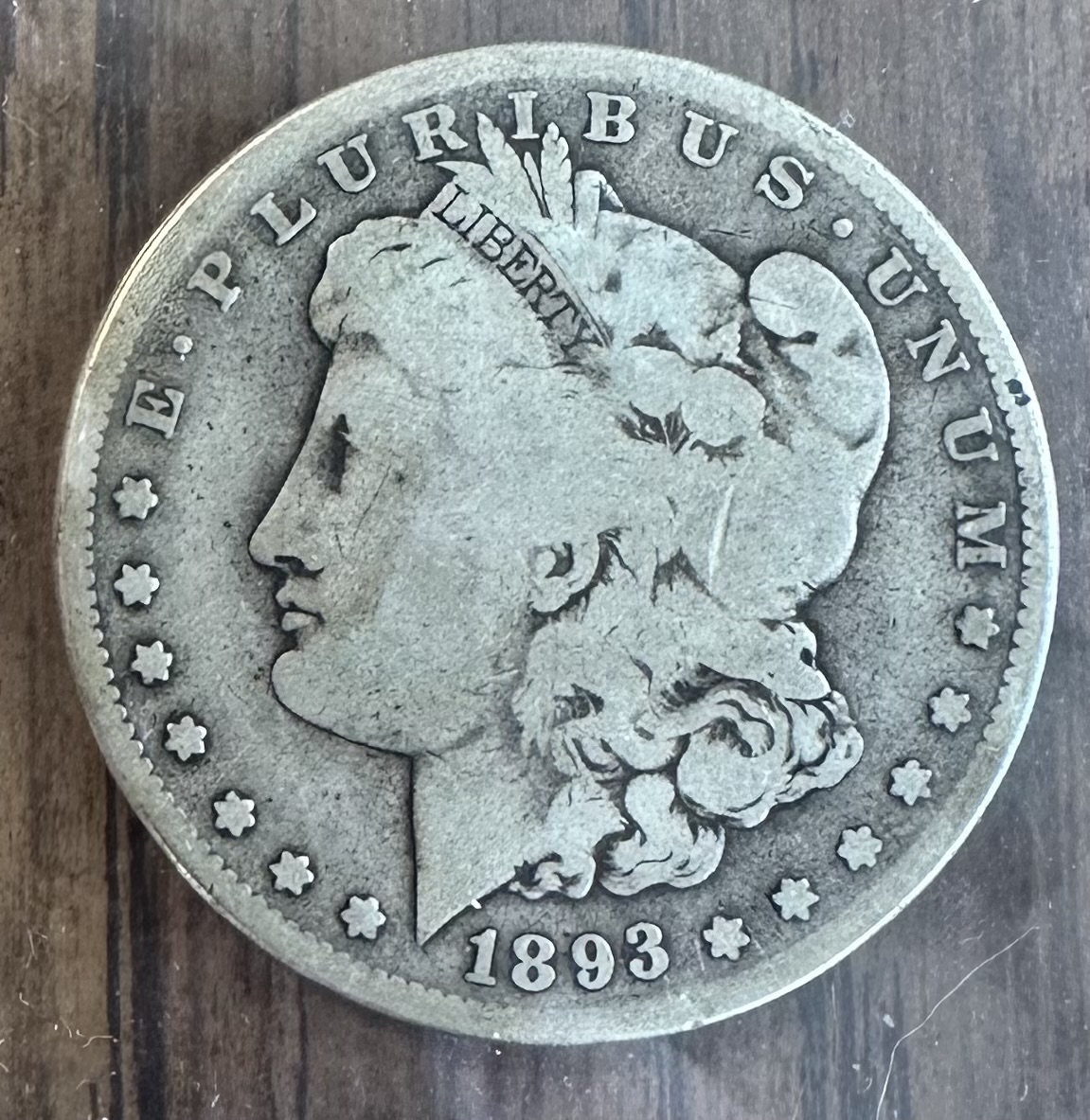
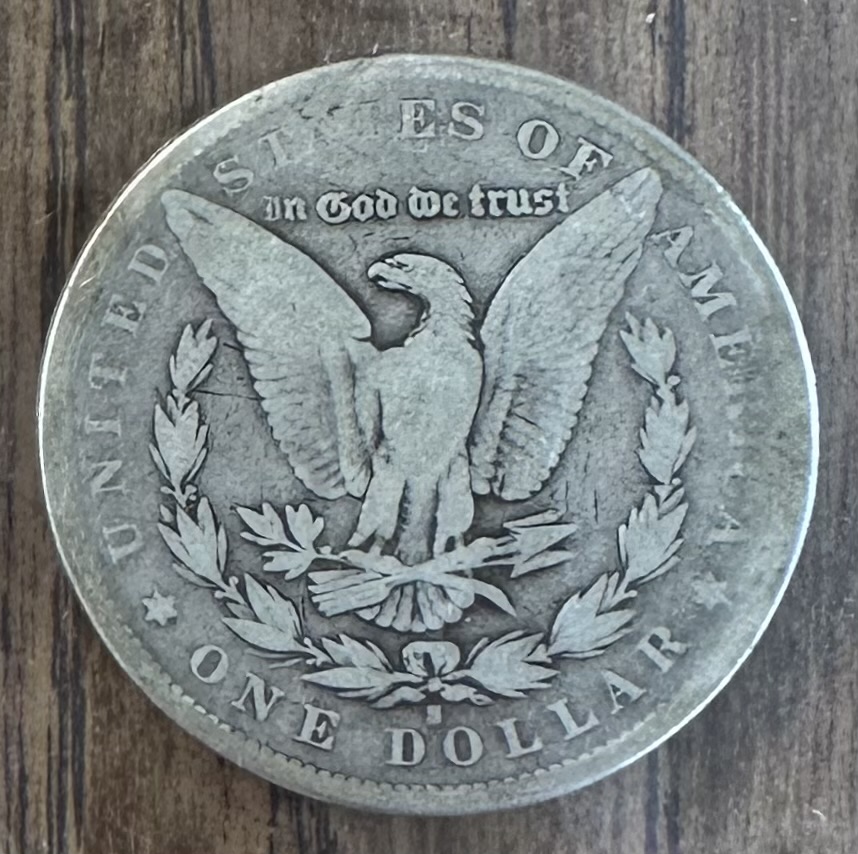
1893-S100,000 minted
Lowest business-strike mintage of the series, released into hard Western use and never rescued by a hoard — the king of Morgan keys in every grade. PCGS estimates roughly 10,000 survivors across all grades and only ~123 in mint state.
Rarity mechanism: circulation loss
Grade sensitivity
Scarce even in Good; VF is a five-figure coin; ~123 mint-state survivors (PCGS est.) anchor major auctions.
Authentication risk
SEVERE — the most counterfeited Morgan. Added-S alterations, cast and struck fakes, faked slabs. Buy certified, verify the cert number.
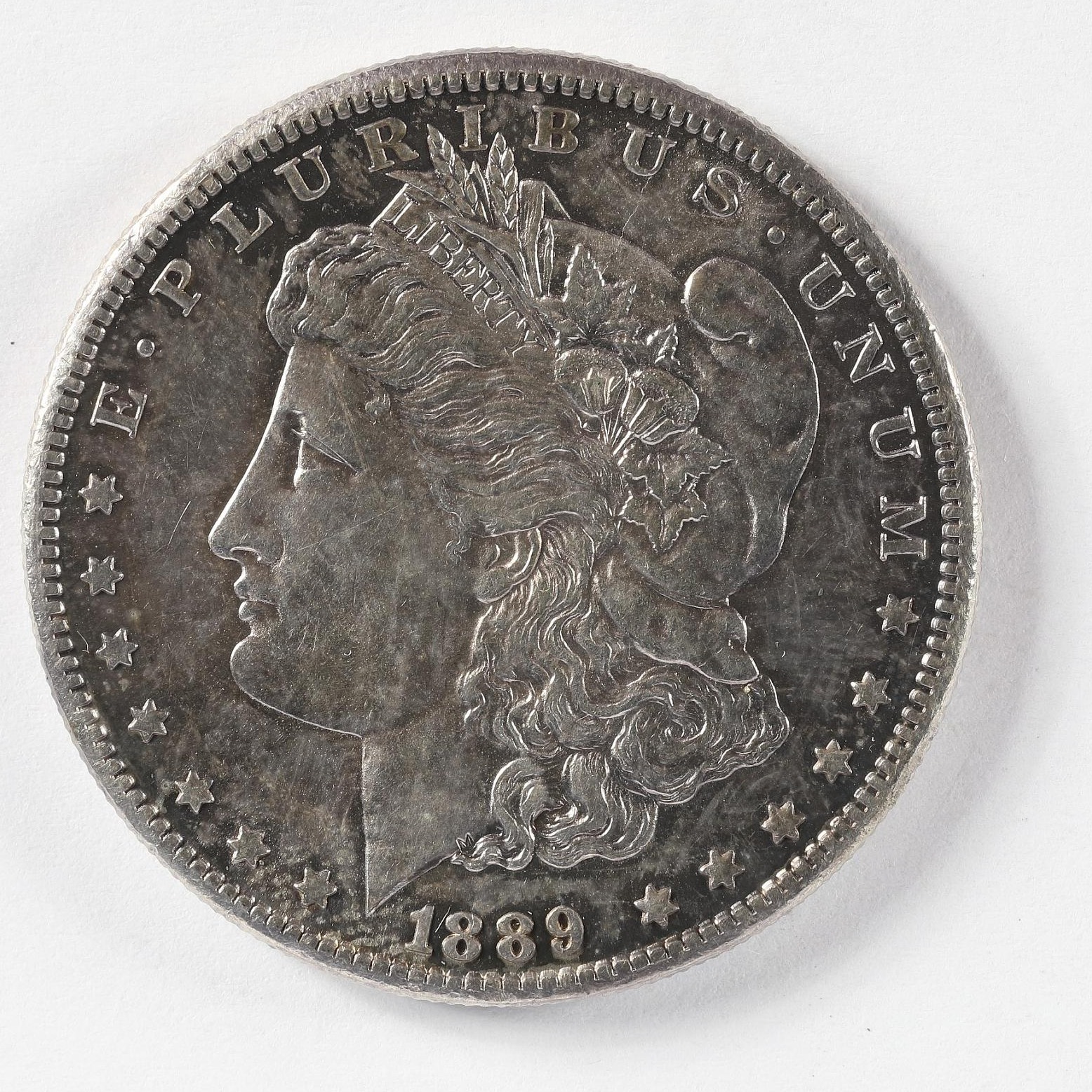
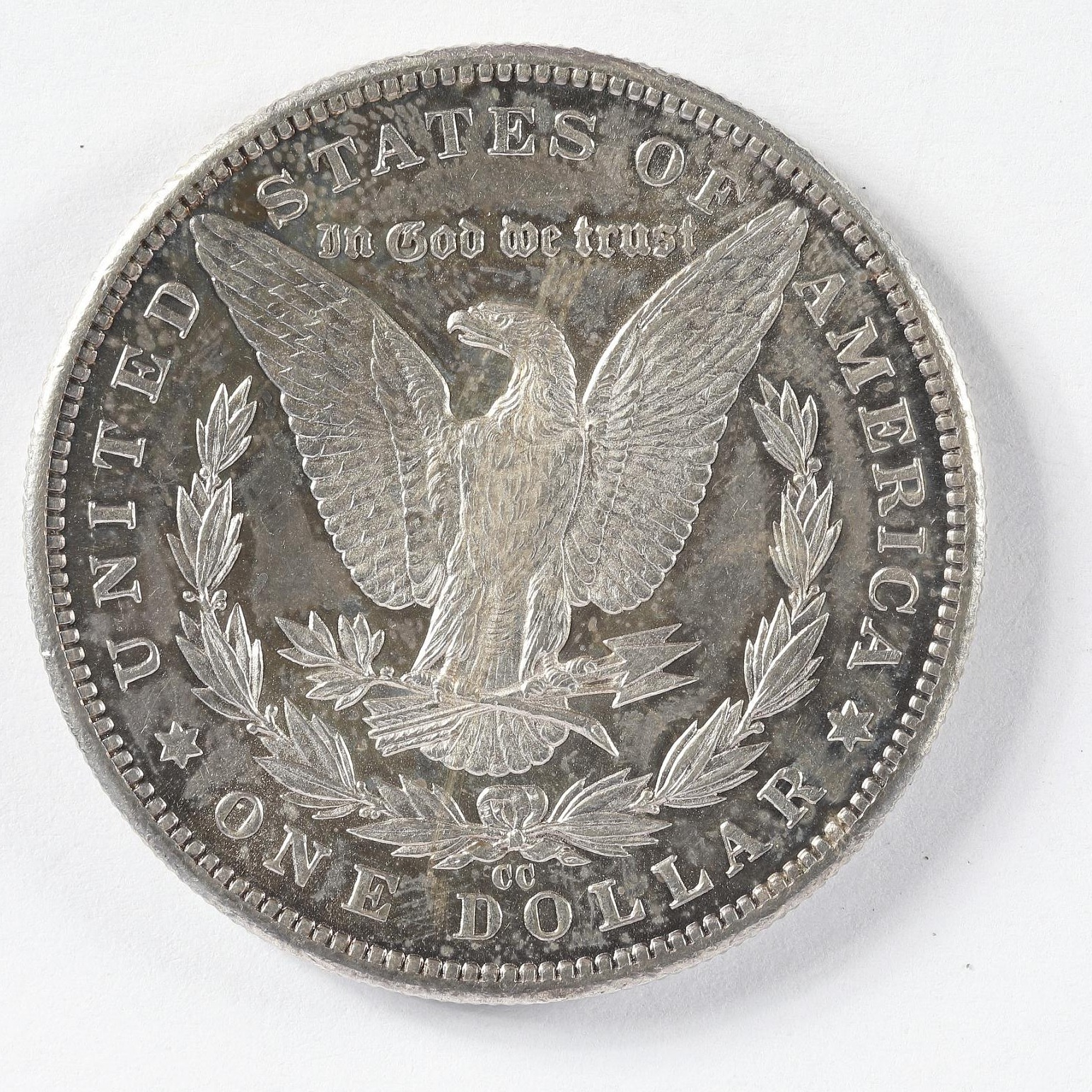
1889-CC350,000 minted
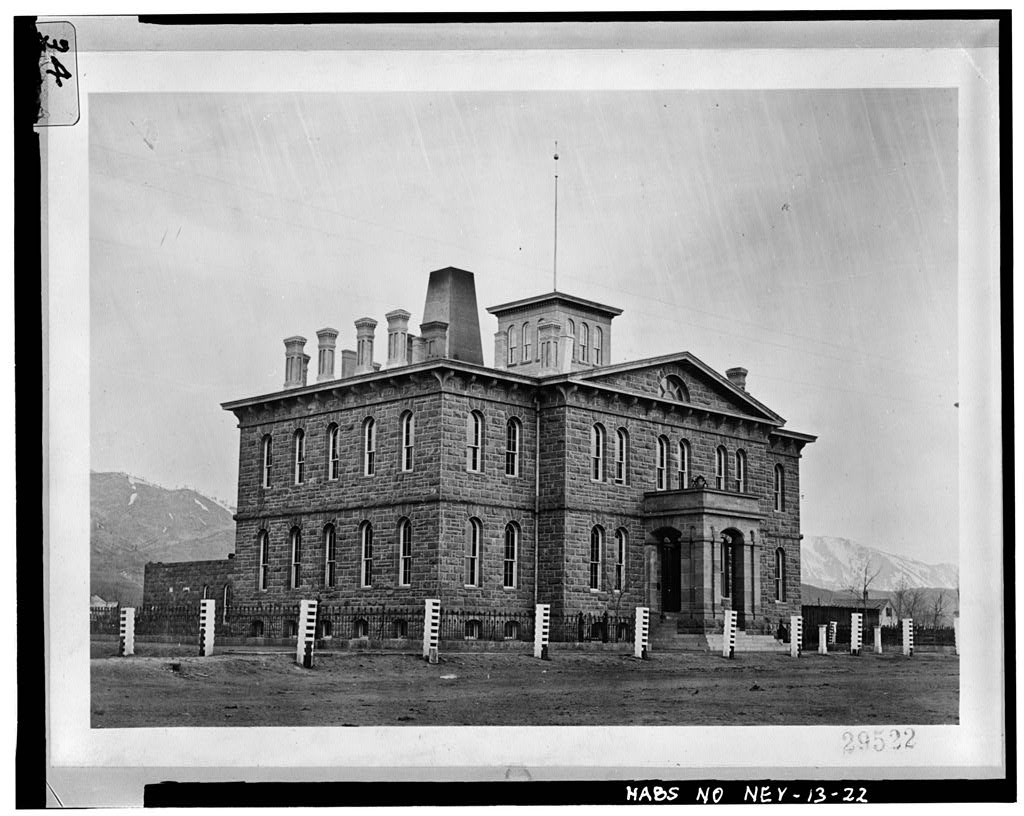
The rarest Carson City dollar. Struck the year the mint reopened, it circulated in Nevada instead of sleeping in a vault — and was nearly absent from the GSA hoard.
Rarity mechanism: circulation loss
Grade sensitivity
Scarce in every grade; most survivors are well-worn; genuinely rare in mint state.
Authentication risk
SEVERE — added-CC alterations from 1889-P are classic. Certification effectively mandatory.
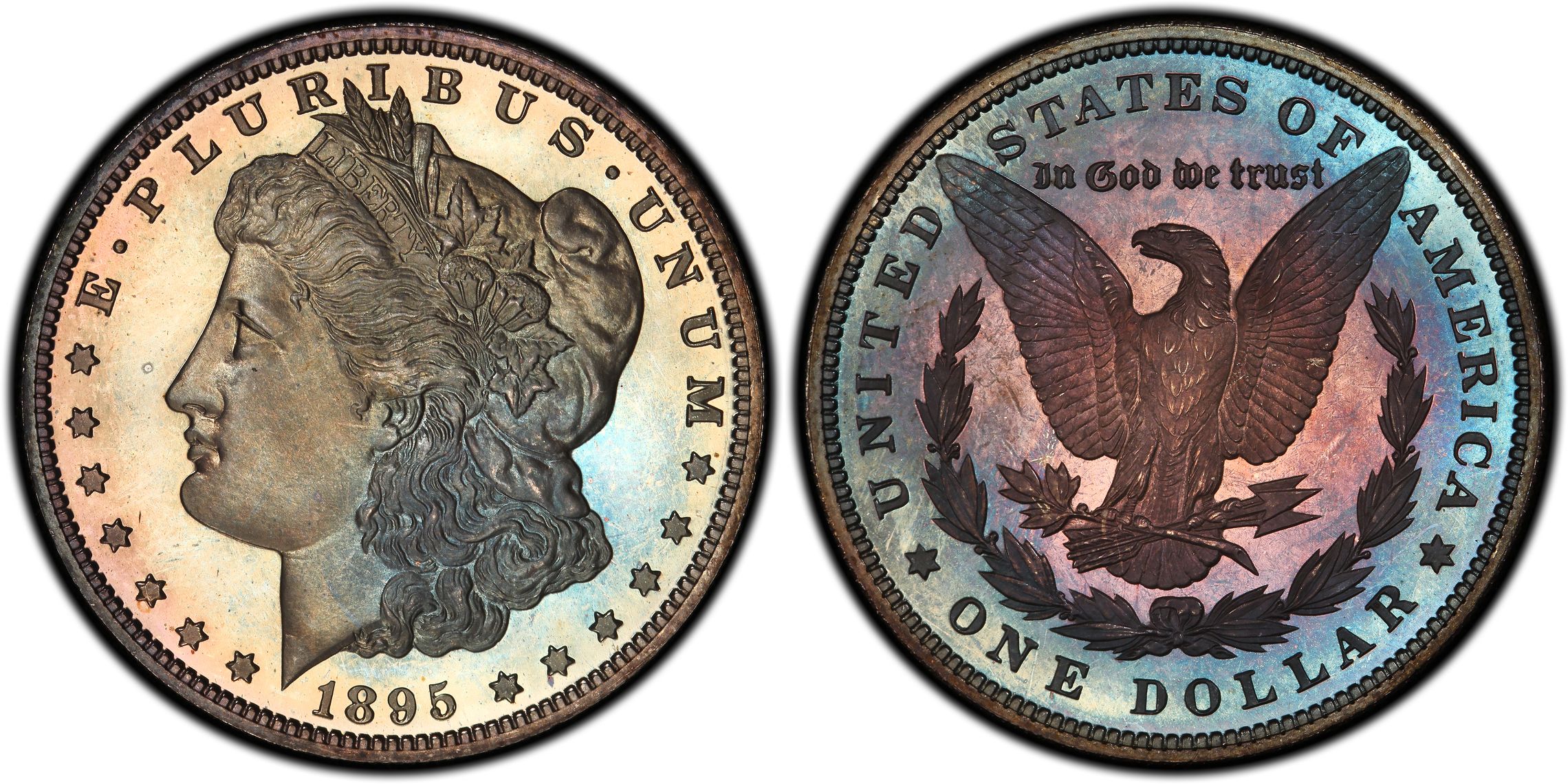
1895880 proofs minted
The 'King of the Morgans.' No authenticated 1895 business strike is known today. Mint ledgers record 12,000; whether they were struck as dated 1895 coins, struck and later melted, or never actually coined remains an open question. The collectible reality is settled either way: a date set runs through one of ~880 proofs.
Rarity mechanism: proof-only issue
Grade sensitivity
Proof-only: ~880 possible coins, graded on the proof scale where hairlines rule.
Authentication risk
SEVERE — removed-mintmark 1895-O/S fakes are the standard fraud. Only certified examples are sane purchases.
1894110,000 minted
The lowest-mintage Philadelphia business strike actually obtainable; scarce in every grade and heavily counterfeited by mint-mark removal from 1894-O.
Grade sensitivity
Scarce everywhere; heavily collected in VF–AU; tough in mint state.
Authentication risk
HIGH — mintmark-removal fakes made from 1894-O.
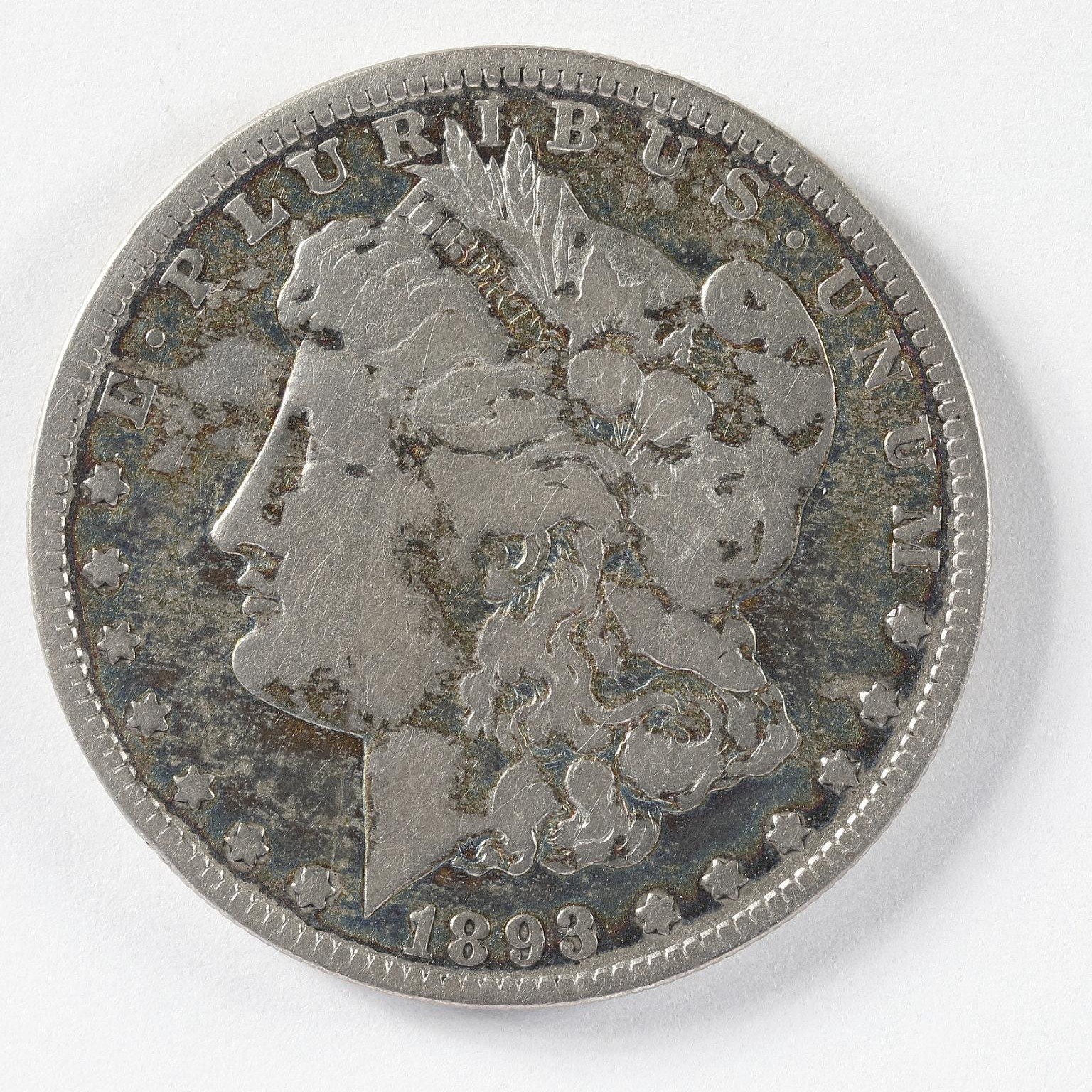
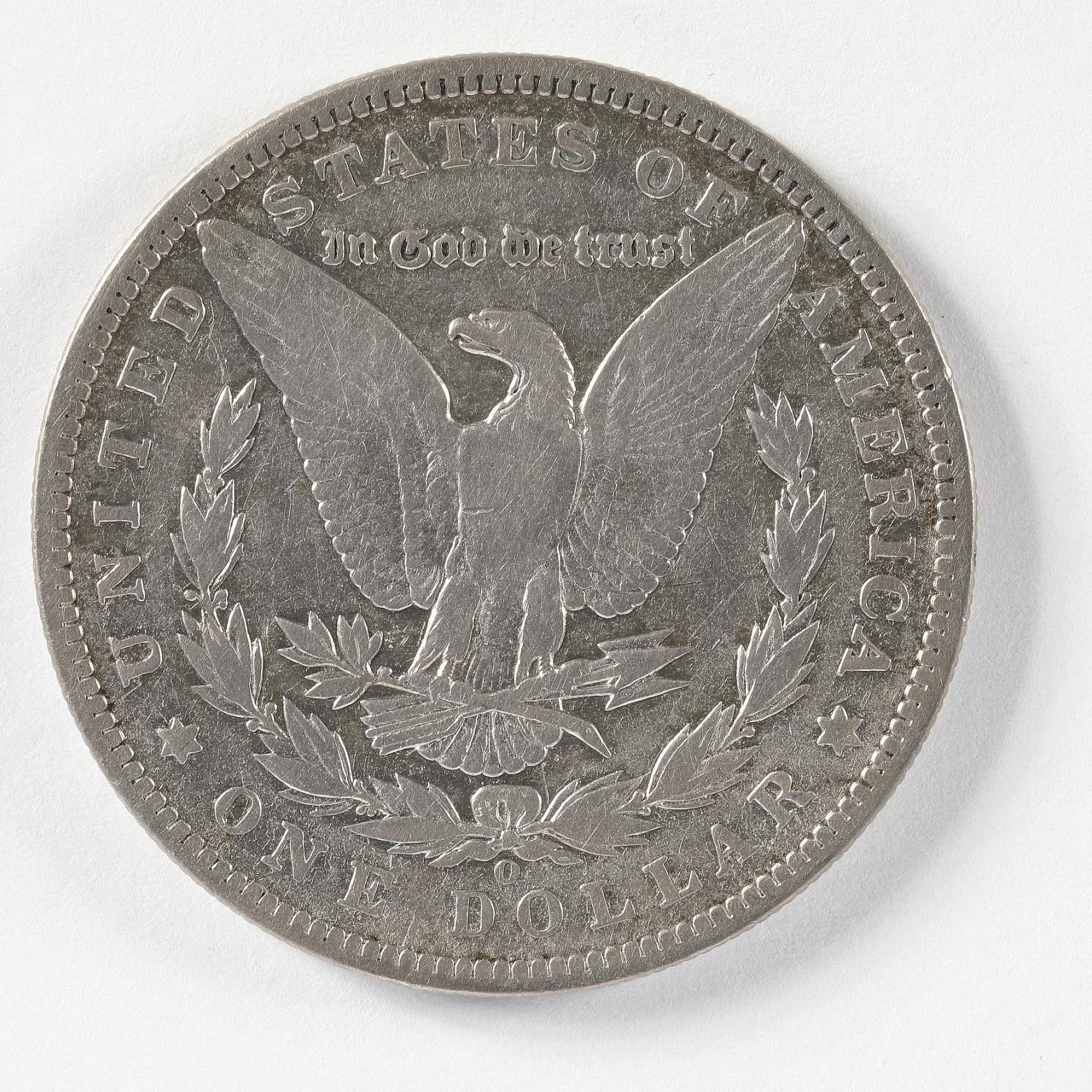
1893-O300,000 minted
Small mintage struck for circulation in the South and used hard; rare above XF and very rare in mint state.
Grade sensitivity
Rare above XF; very rare in mint state — low mintage plus hard Southern circulation.
Authentication risk
MODERATE — less faked than the marquee keys, but check any high-grade example.
1893-CC677,000 minted
The last Carson City dollar. Most survivors are heavily bag-marked, making clean mint-state examples conditionally rare.
Grade sensitivity
Scarce circulated; obtainable but bag-battered in mint state — clean cheeks command big premiums.
Authentication risk
HIGH — added-CC fraud plus faked GSA holders. Verify both coin and holder.
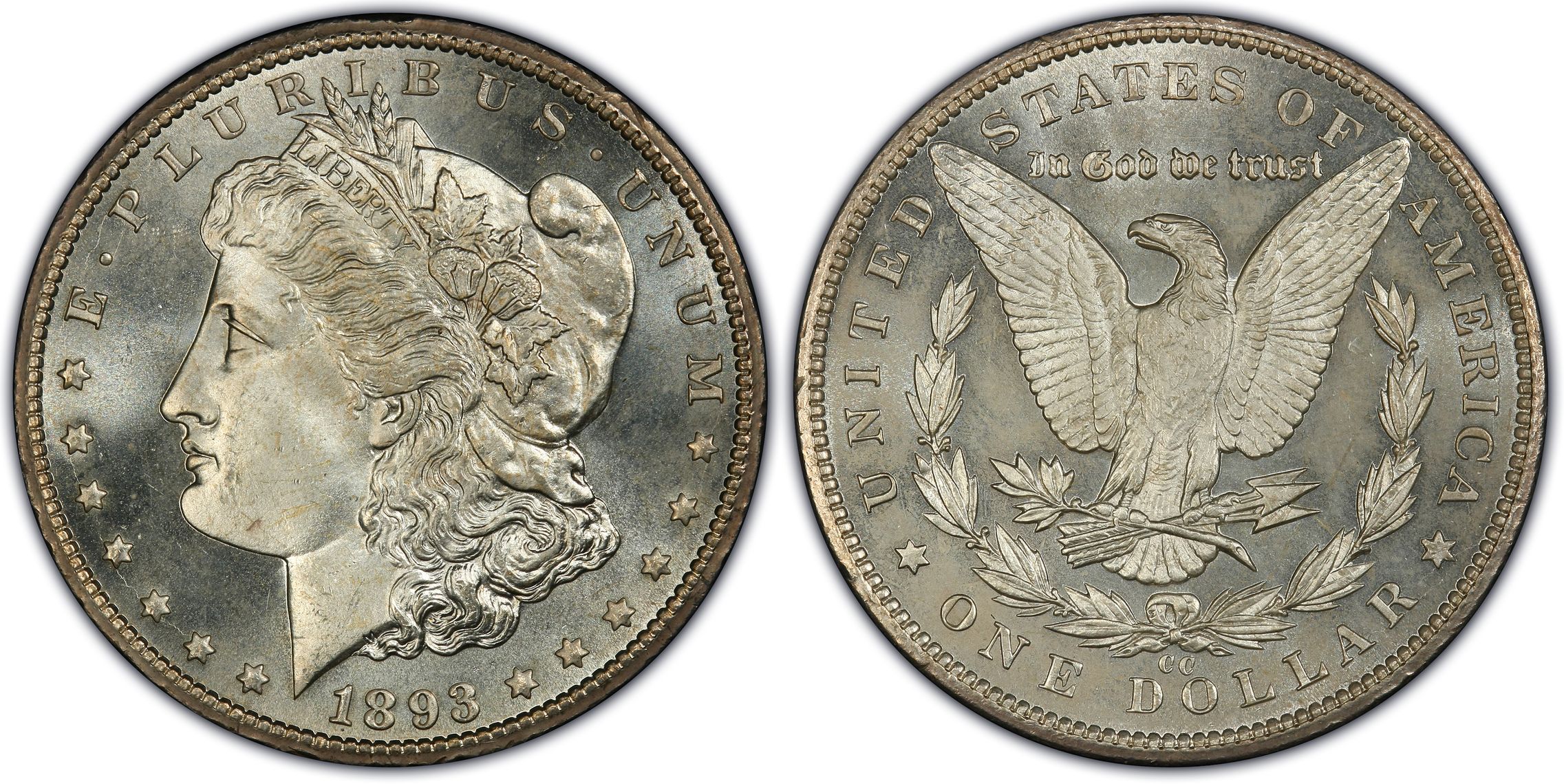
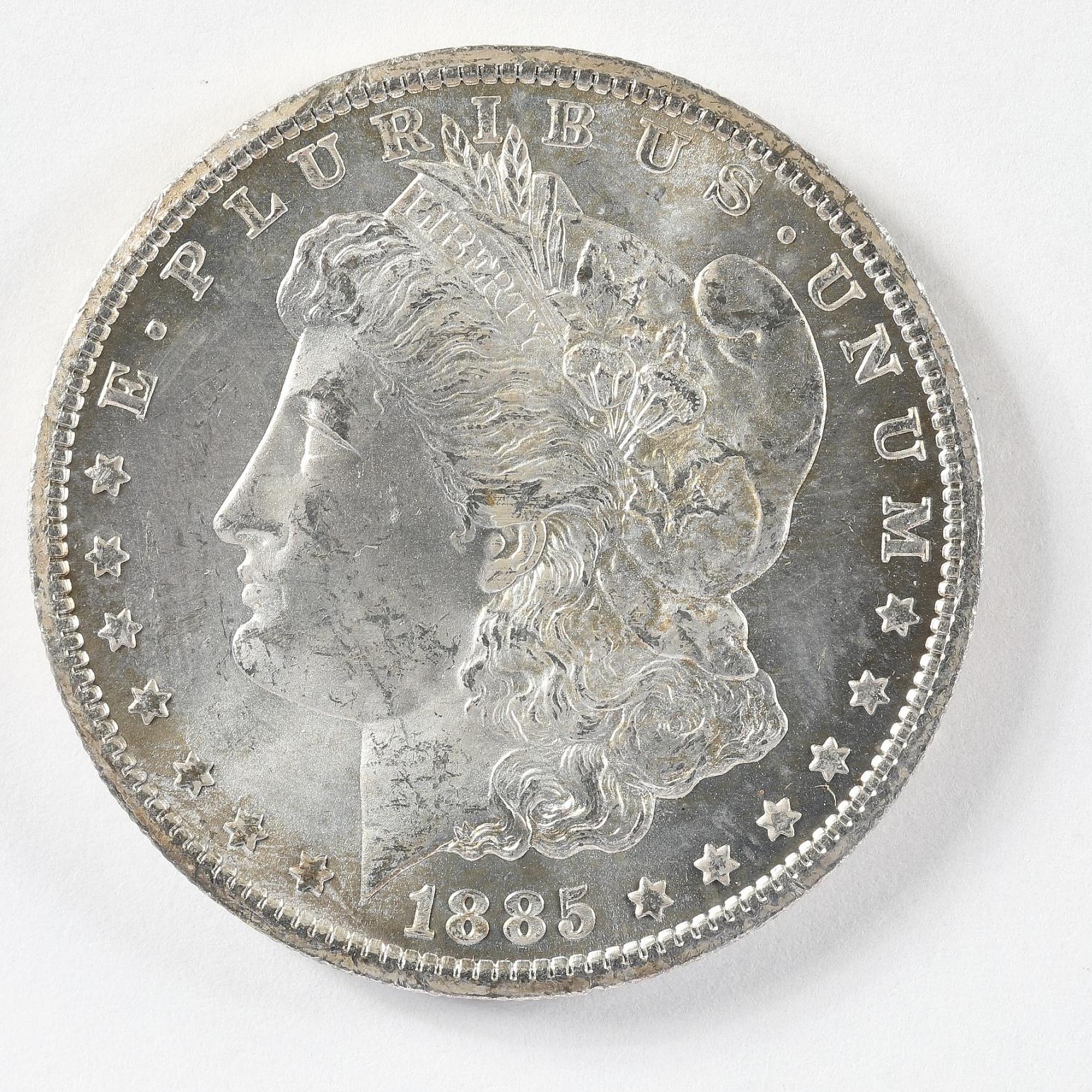
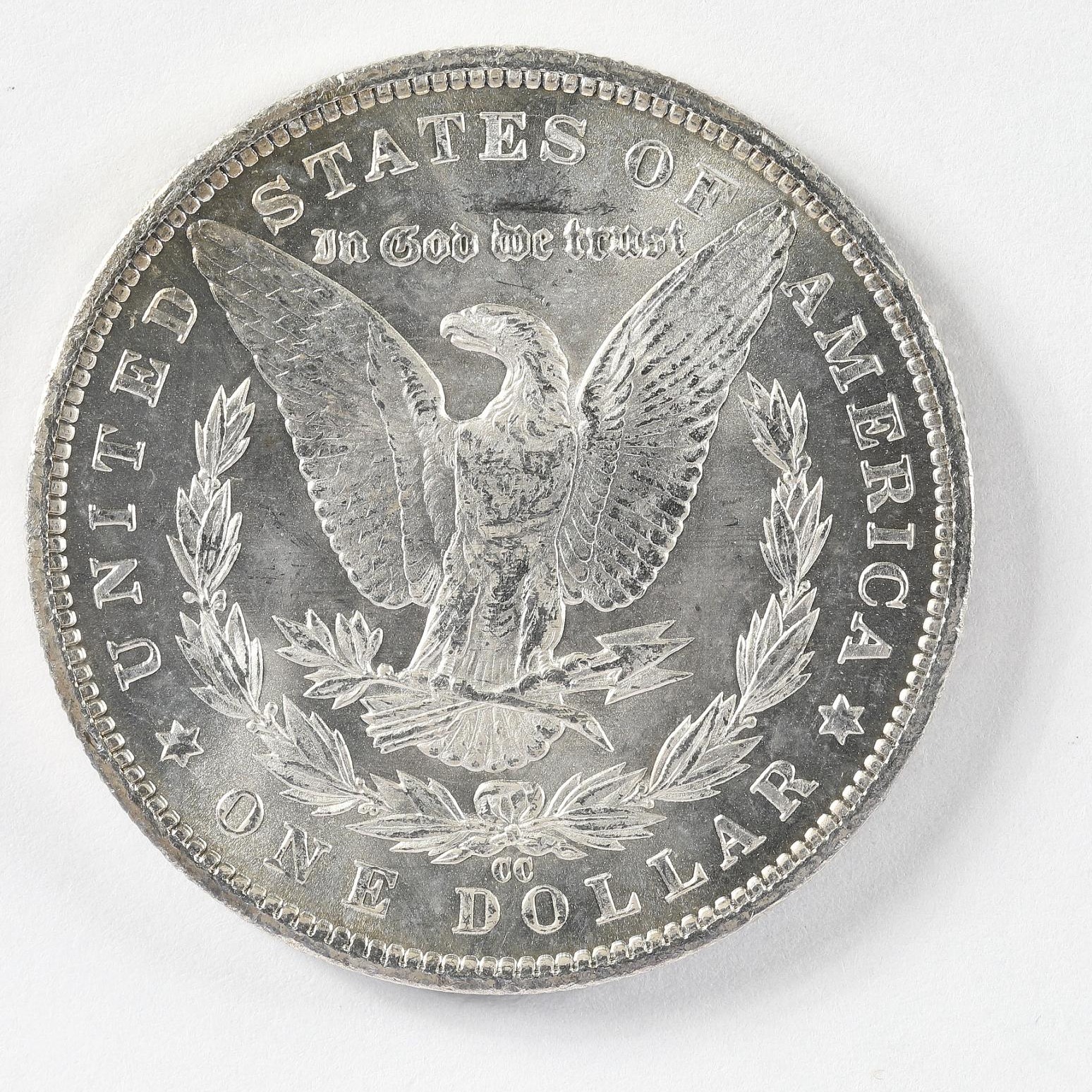
1885-CC228,000 minted
Second-lowest mintage — yet the GSA disbursed 148,285 of them, and an estimated 155,000–168,000 survive, nearly all uncirculated. Only ~2,000–4,000 worn examples exist: in circulated grades this is the king of Morgans, outranking even the 1893-S.
Rarity mechanism: vault survival & release
Grade sensitivity
The inversion: ~155,000–168,000 survive, nearly all mint state (GSA disbursed 148,285); only ~2,000–4,000 worn — in circulated grades, the king of Morgans.
Authentication risk
MODERATE — added-CC alterations and faked GSA holders; verify both coin and holder.
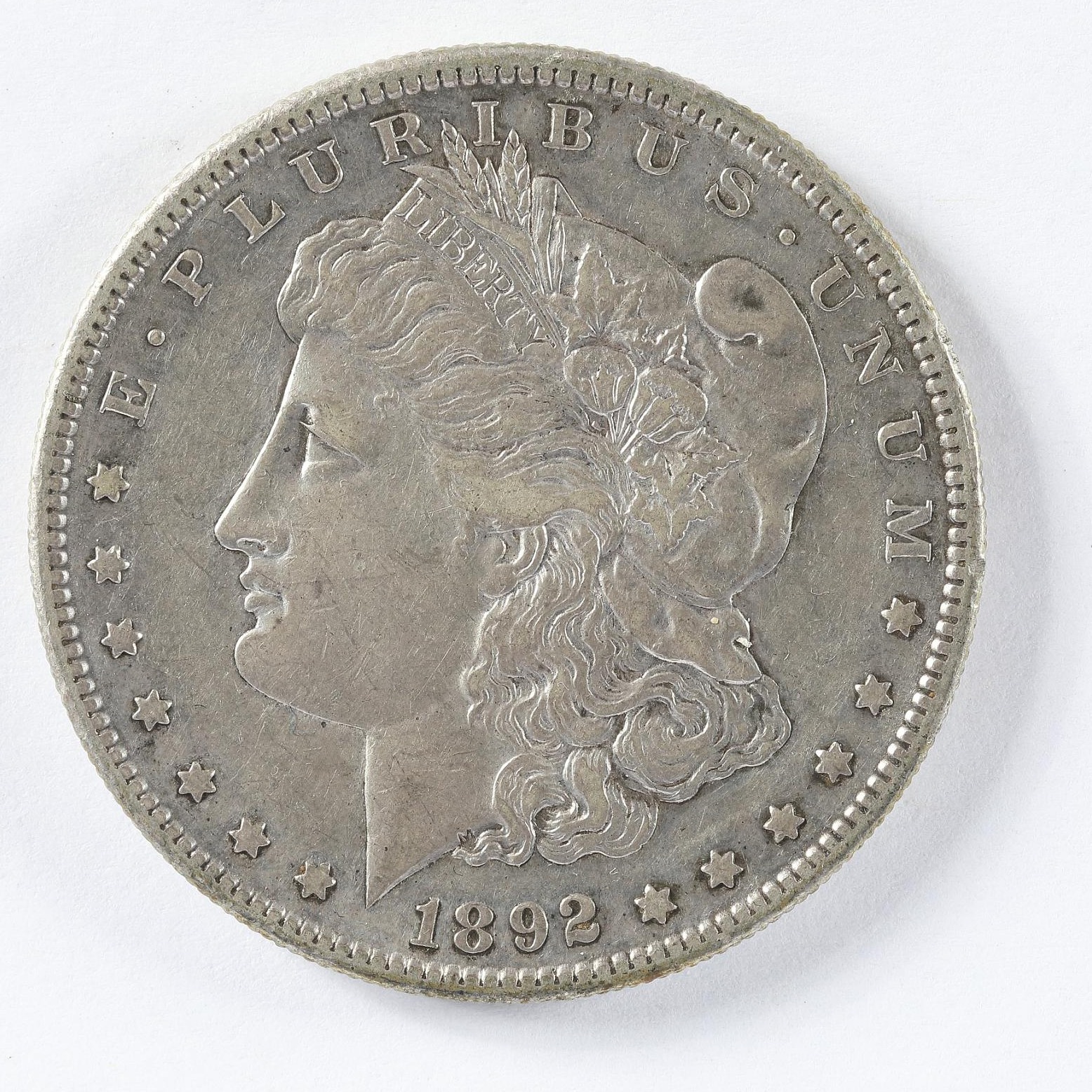
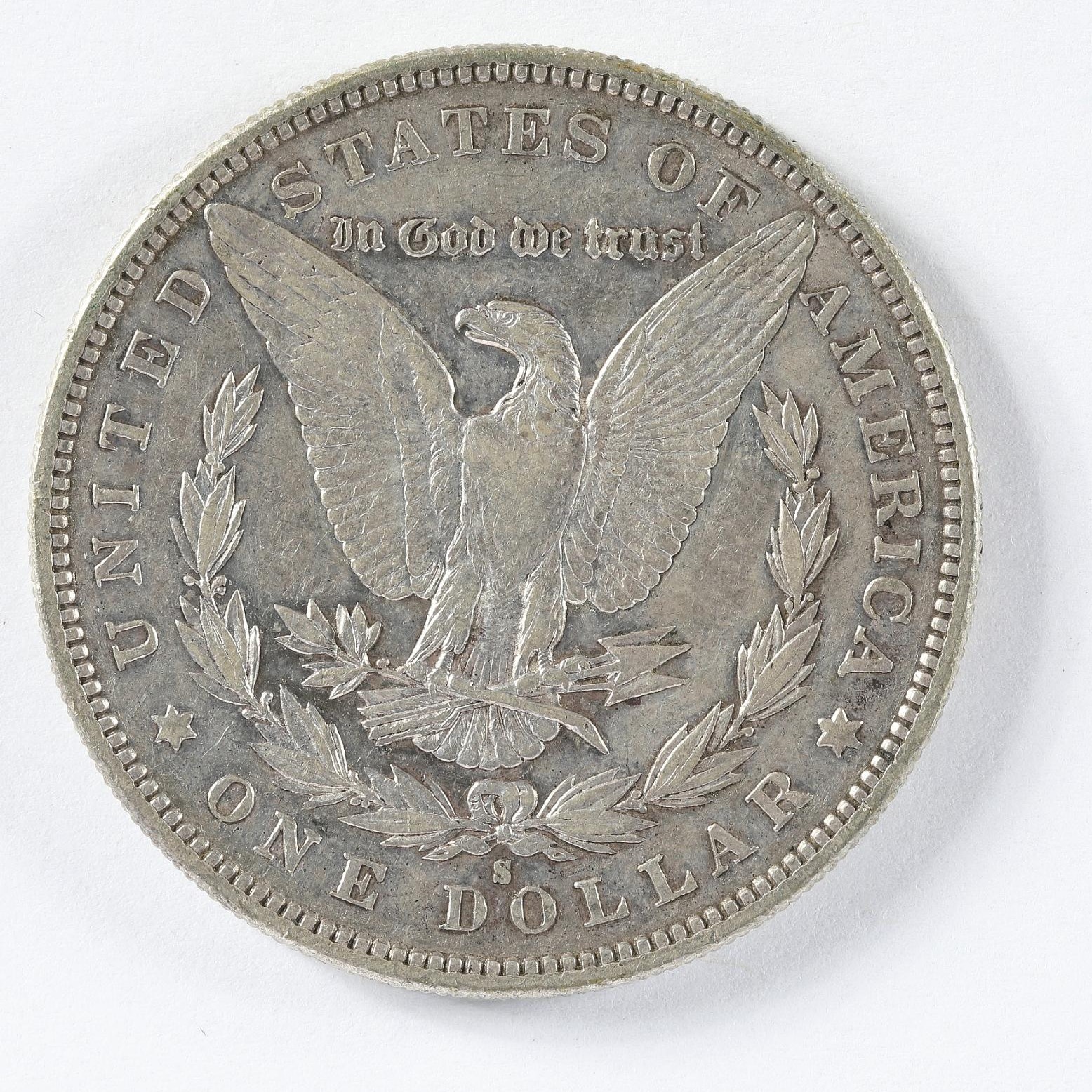
1892-S1,200,000 minted
The series' great conditional rarity: nearly the whole mintage circulated, AU 'sliders' abound — and PCGS estimates only ~135–270 true mint-state survivors, split oddly between near-60 coins and outright gems with almost nothing between.
Rarity mechanism: circulation loss
Grade sensitivity
Plentiful worn and in AU; PCGS estimates only ~135–270 true mint-state coins, oddly split between near-60 pieces and gems. The AU58/MS60 line is one of numismatics' steepest value cliffs.
Authentication risk
HIGH — doctored AU 'sliders' sold as mint state are the standard fraud; certified only above circulated money.
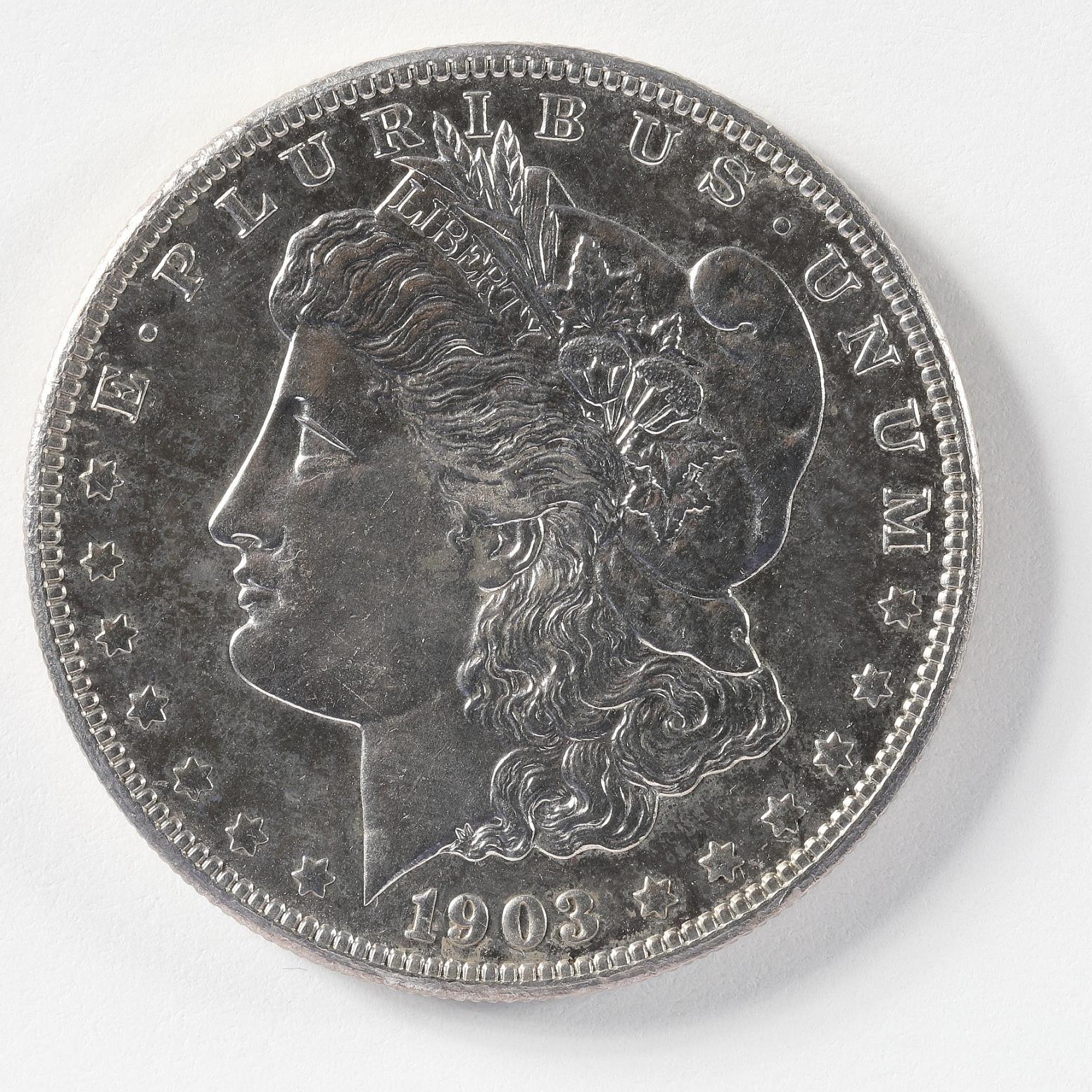
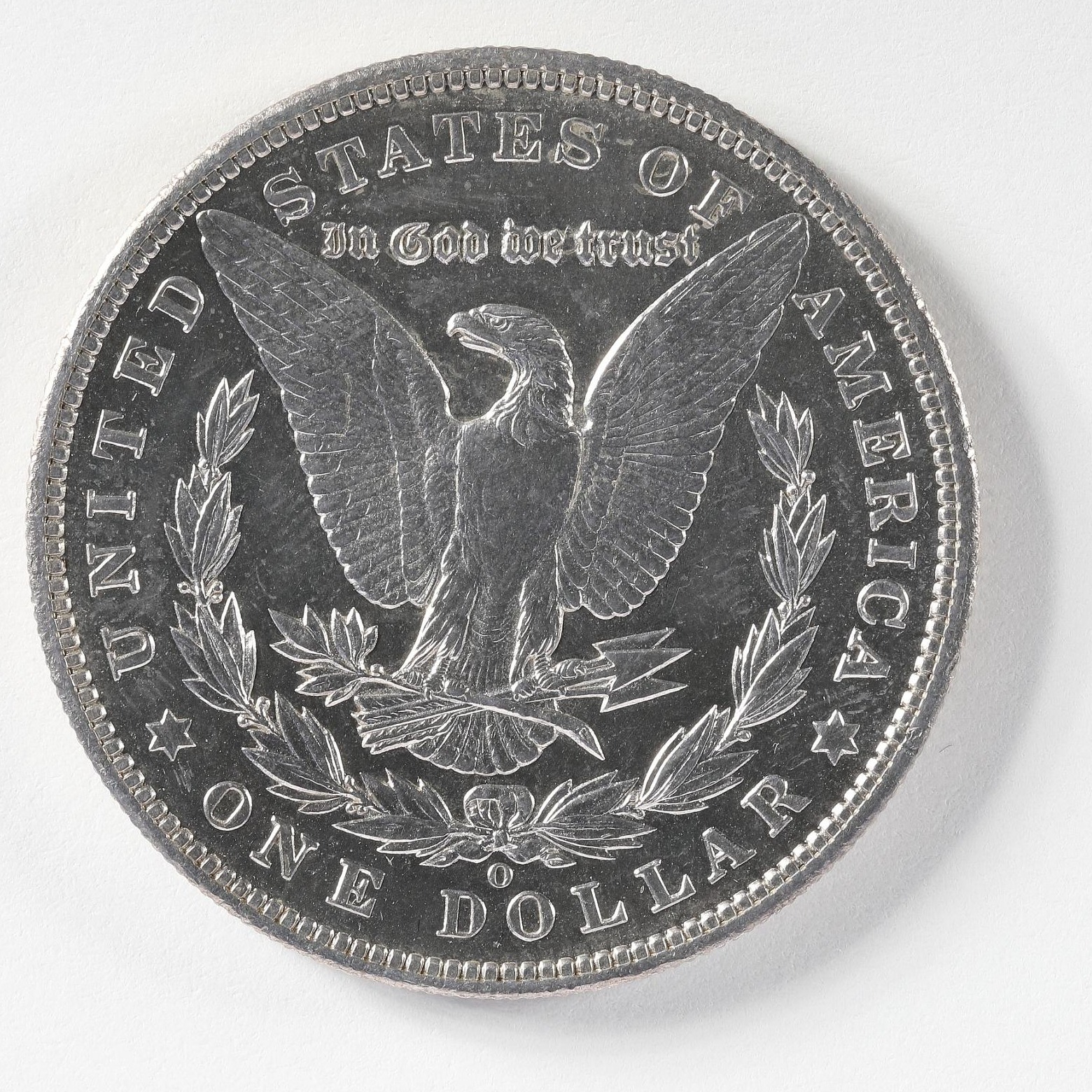
1903-O4,450,000 minted
Fewer than ten mint-state pieces were believed to exist in 1962, and the Guide Book listed it at $1,500 — the highest of any Morgan. Then sealed Treasury bags released an estimated 200,000–350,000, and the price touched $7. The standing lesson that mintage alone can't predict availability.
Rarity mechanism: vault survival & release
Grade sensitivity
Common in mint state since 1962 (~200,000+ survive; the bags were uncirculated); honestly worn examples are comparatively scarce.
Authentication risk
LOW-MODERATE — cleaned coins and romantic pre-1962 provenance stories; the coin is common, the paperwork isn't.
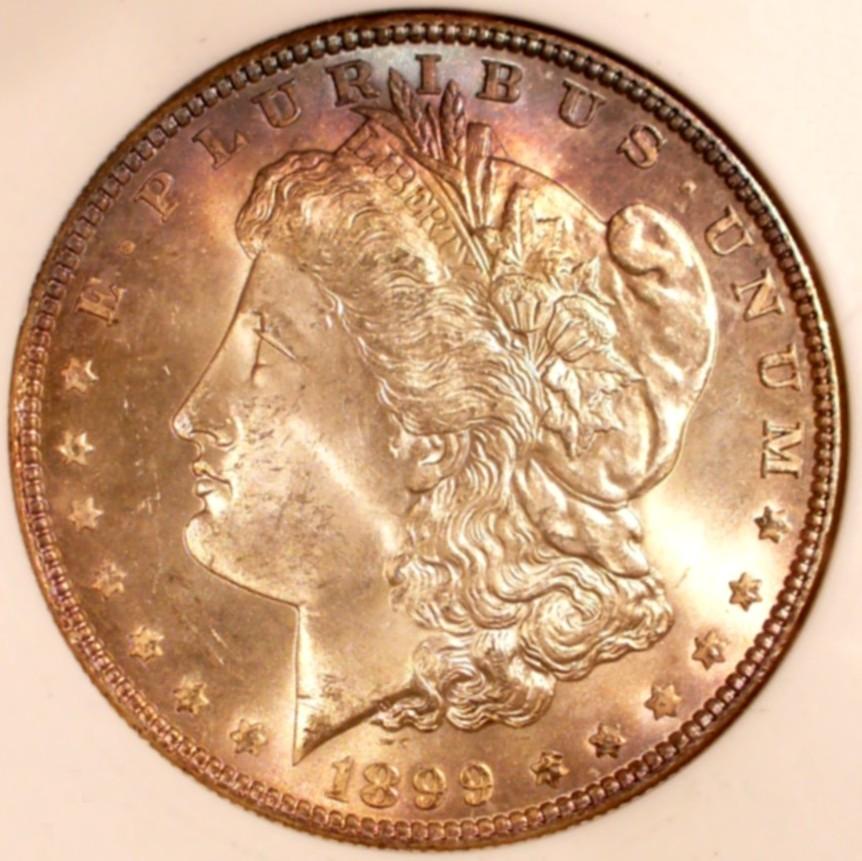
1899330,000 minted
A tiny Philadelphia mintage partly rescued by vault storage — scarce, but not the rarity its number implies. The mirror image of 1892-S.
Grade sensitivity
Scarce but vault-rescued: mint state is obtainable, wear is scarcer than the number suggests.
Authentication risk
LOW — modest fraud pressure.
How OunceDesk classifies rarity
- KEY —
- A broadly recognized major bottleneck of the series — scarce and expensive across the commonly collected grades.
- SEMI-KEY —
- Materially scarcer or costlier than typical issues, without being one of the dominant bottlenecks.
- CONDITIONAL —
- Accessible in circulated grades but significantly scarce above a threshold — usually mint state — because of how the issue survived.
- CC —
- Carson City issue — collector demand attaches to the mint itself, over and above strict scarcity.
- COMMON —
- Available across grades at prices near the series baseline.
These are editorial classifications in the numismatic tradition (the Red Book/Bowers lineage), not mathematical scores: they compress mintage, survival, demand and price behavior into collector guidance, and we label them as such.
Sources
- S1 ·OBSERVEDUnited States Mint specifications (composition, weight, diameter, edge)
- S2 ·OBSERVEDMintages: United States Mint records as compiled in standard references (Yeoman, A Guide Book of United States Coins tradition); cross-checked against PCGS CoinFacts (retrieved 2026-08-22)
- S3 ·OBSERVEDPittman Act, ch. 63, 40 Stat. 535 (Apr. 1918): up to 350,000,000 dollars authorized; 270,232,722 melted (11,111,168 of them recoined as subsidiary coinage) per Treasury records — see Newman Numismatic Portal, 'Silver Dollars Struck Under the Pittman Act' (retrieved 2026-08-22)
- S4 ·OBSERVEDTreasury releases (1962–64) and GSA Carson City sales (2.8M+ dollars; seven sales 1972–1980; ~$107M): Q. David Bowers, Silver Dollars & Trade Dollars of the United States — A Complete Encyclopedia, ch. 14 (PCGS edition)
- S5 ·OBSERVEDRedfield Hoard (~407,000 coins; A-Mark, $7.3M, 1976): Bowers encyclopedia ch. 14; CoinWeek hoard histories
- S6 ·OBSERVEDContinental-Illinois Bank hoard (~1.5M dollars, early 1980s): Bowers encyclopedia, ch. 14
- S7 ·OBSERVEDDesign history (Morgan's 1876 arrival; Williams sittings; M initials at neck truncation and ribbon loop; 8TF→7TF re-hubbing; 1910 die destruction): standard numismatic histories (CoinSite; Coin Community), corroborated by Smithsonian NNC object records
- S8 ·ESTIMATED1893-S survival estimates (~9,948 all grades; ~123 mint state; ~18 MS65+; Bowers range 6,000–12,000): PCGS CoinFacts, 1893-S entry (retrieved 2026-08-22)
- S9 ·DERIVEDRarity classifications: OunceDesk editorial methodology (defined on this page), in the Red Book/Bowers tradition
- S10 ·OBSERVEDPL/DMPL reflectivity conventions: grading-service published standards (PCGS/NGC)
- S11 ·ESTIMATED1892-S survival (MS ~135–270: MS60-62 75–150, MS63 25–50, MS64 10–20, MS65+ 25–50; bimodal grade distribution): PCGS CoinFacts, 1892-S entry (retrieved 2026-08-22)
- S12 ·ESTIMATED1903-O: pre-release status (<10 MS believed known; $1,500 in the 1962 Guide Book — highest of any Morgan), release of ~200,000–350,000 coins autumn 1962, price fall to ~$7 in 1963; modern MS survival ~200,000+: PCGS CoinFacts 1903-O; Coin World, 'Red Book 70th anniversary: the 1903-O'; CoinAppraiser price history (retrieved 2026-08-22)
- S13 ·ESTIMATED1885-CC: GSA disbursement of 148,285 coins (Oct 1973–1980); survival ~155,000–168,000 nearly all mint state; ~2,000–4,000 circulated survivors ('the king of worn Morgans'): PCGS CoinFacts 1885-CC; CoinWeek collector's guide (retrieved 2026-08-22)
Continue: track them in your checklist ·grading guide ·why survival is so strange